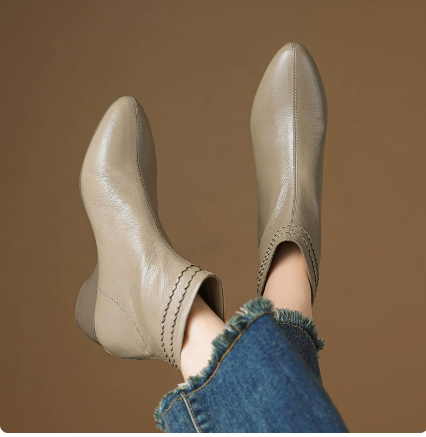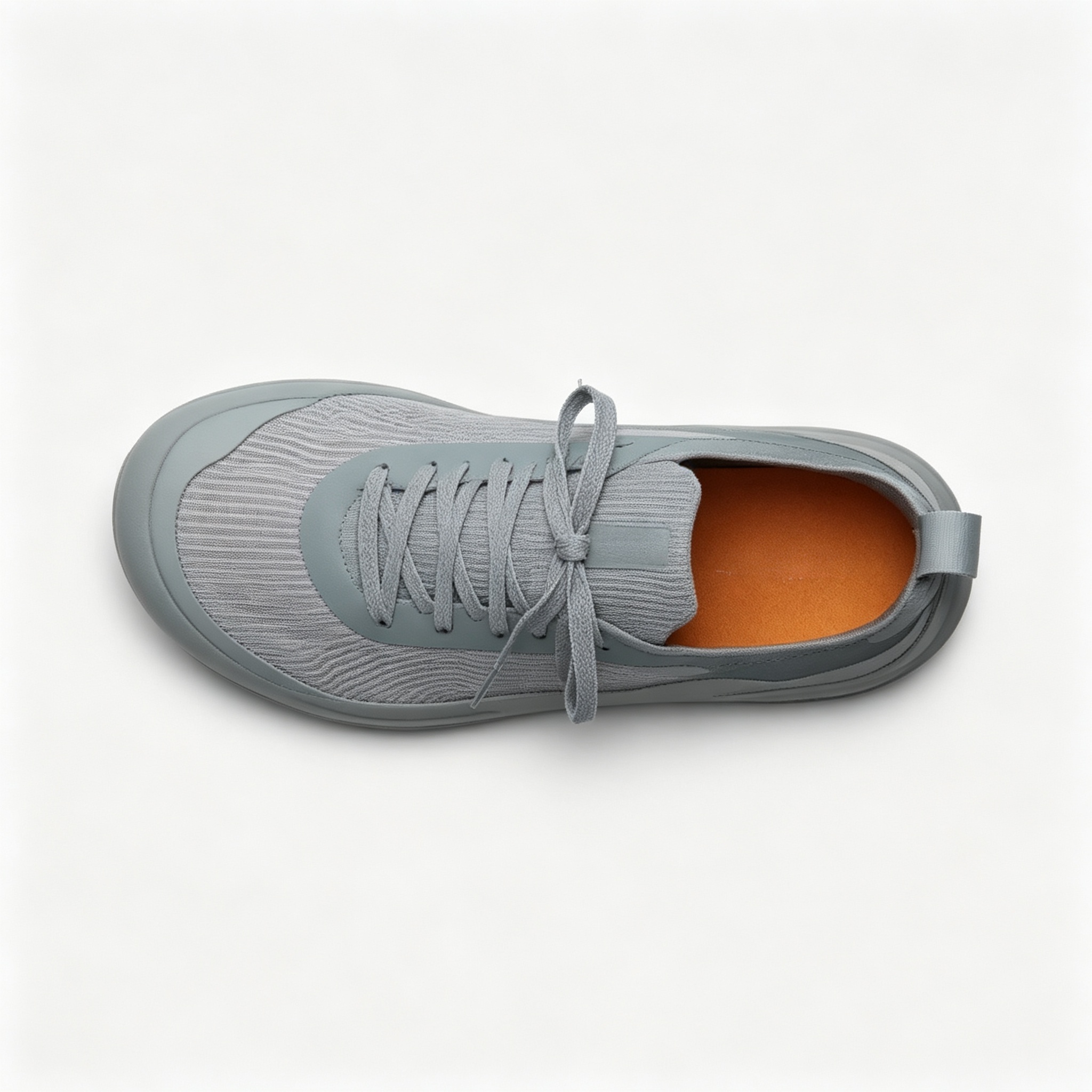
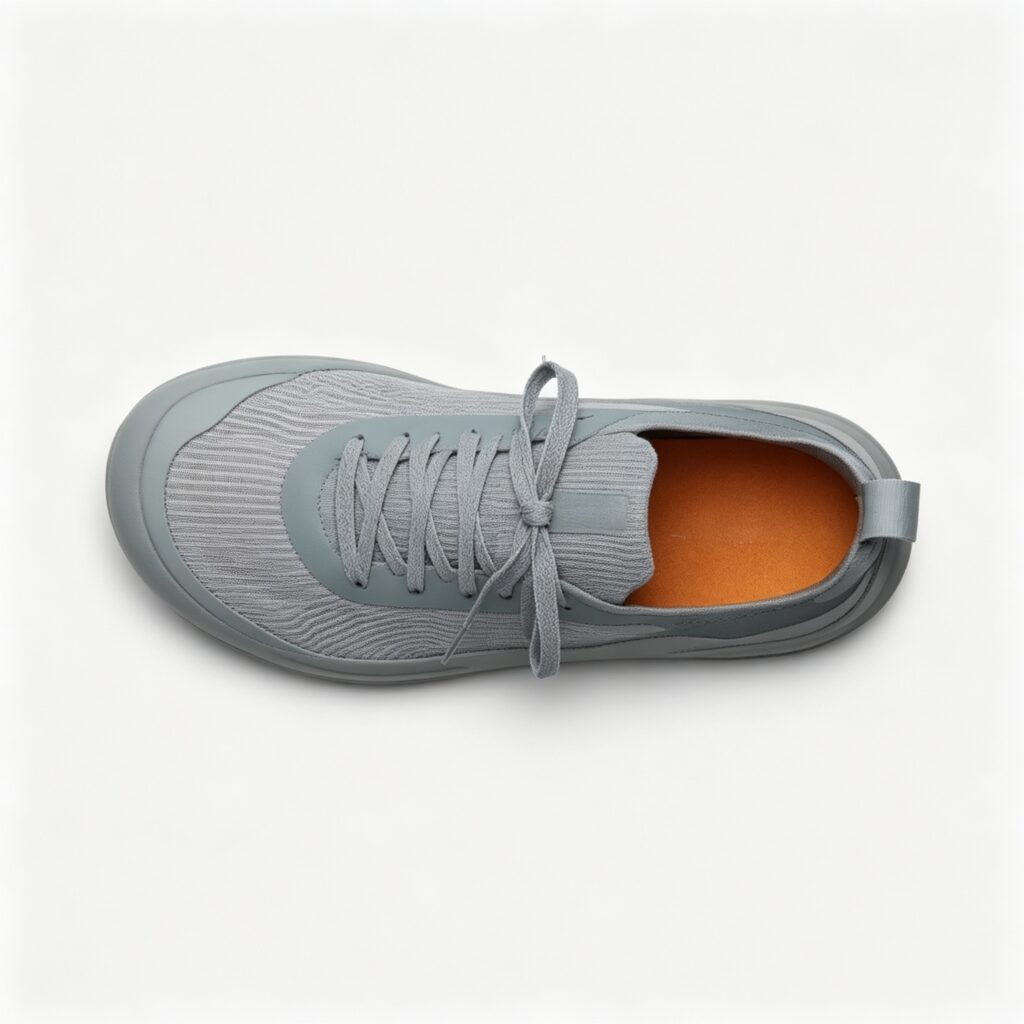
Many people have questions when they first discover barefoot shoes. Based on long-term wearing experience, this article explains what barefoot shoes are, how they feel on your feet, tips for selection and adaptation, suitable scenarios, and the pros and cons of wearing them long-term.
What are barefoot shoes?
Barefoot shoes do not mean shoes worn barefoot. They have three core features: a wide toe box, zero heel-to-toe drop, and a flexible thin sole. They enhance foot proprioception, strengthen the small muscles in your feet, reduce compensatory strain on other joints, build up your arches and ankles, and improve stability when standing and walking.
What does it feel like to wear barefoot shoes?
The experience is vastly different from traditional footwear. Your toes are no longer squeezed, and your feet sit closer to the ground. When you first put them on, some people feel more fatigued than in regular shoes. This happens because your foot muscles are being reactivated. After gradual adaptation, many wearers keep coming back for repeat purchases.
Do I need a separate pair of transition shoes?
In my opinion, there is no need to buy dedicated transition shoes. If you worry that the toe box is too wide or the sole too thin, you can choose moderately styled models. However, if a shoe has neither a wide toe box nor a thin sole, it is not a barefoot shoe. The key to adaptation: limit wear time, avoid long-distance walking, and alternate days of wear to let your feet adjust slowly.
Are barefoot shoes just wide-fit shoes with thin soles?
No. Many thin-soled shoes still maintain a heel-to-toe drop. The inner wall of the toe box on ordinary wide-fit shoes tapers inward and cannot free your big toe. In contrast, barefoot shoes have a toe box that barely narrows inward, fully liberating your toes — this is their key distinguishing feature. Well-known styles such as Mexico 66 and old Beijing cloth shoes are not barefoot shoes.
What scenarios are barefoot shoes suitable for?
Barefoot shoes cover a wide range of use cases. There are barefoot alternatives for most traditional shoe types: running shoes, hiking shoes, training shoes, casual daily shoes, and even barefoot dress shoes. Many enthusiasts overseas wear only barefoot shoes and pick different pairs for different occasions.
Can you run in barefoot shoes?
Technically yes, but I do not recommend it for new users in China. Sport-focused barefoot shoes are designed for running and are frequently tested by overseas content creators. However, there is little barefoot running community culture locally. Beginners often struggle to control their training volume and risk injury.
What are the downsides of wearing barefoot shoes long-term?
Overall the wearing experience is great, yet there is an obvious drawback: the thin sole transfers ground temperature directly to your feet. This effect is noticeable in extreme cold or hot weather. On cold days walking is fine, but your feet will get cold if you stand still waiting for transport. In summer, heat from hot pavement also transfers easily to the soles.