Barefoot Shoes vs Arch‑Support Shoes: Not an Either‑Or Choice
Are barefoot shoes and arch‑support shoes mutually exclusive, forcing you to choose only one?
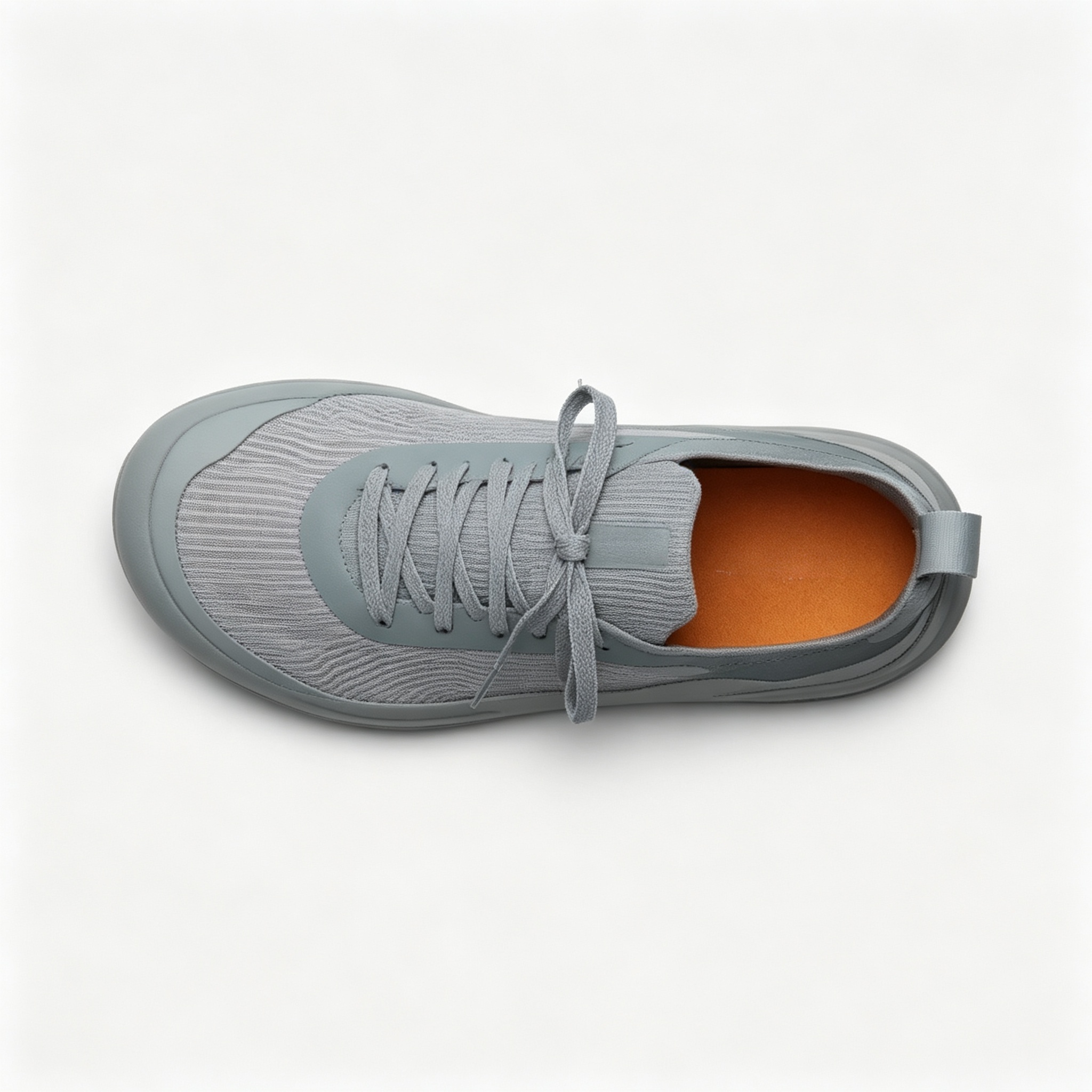
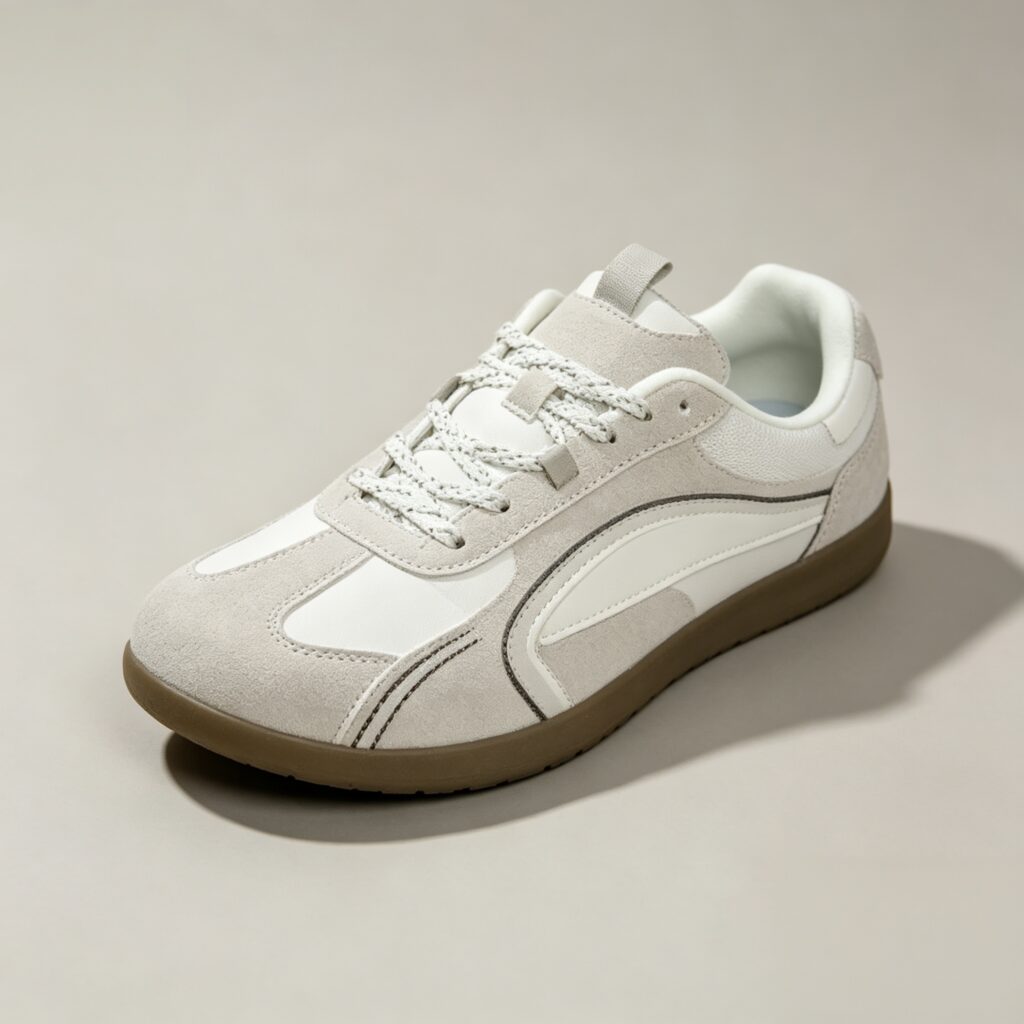
Let’s start with core features of barefoot shoes: zero‑drop heel, thin outsoles and wide toe boxes. Without rigid built‑in arch support, they replicate the feeling of walking barefoot.
Barefoot shoes work well for five groups of people. First, people with healthy feet, normal arches or mildly high arches. They are ideal for casual walking and short‑distance jogging.
Second, those with weak foot muscles caused by long‑term supportive footwear, who suffer foot soreness after short standing periods. These shoes help strengthen foot muscles.
Third, people with mild bunions. Narrow shoes squeeze and deform toes, while the roomy toe box allows toes to spread freely.
Fourth, fitness lovers. Thin‑soled barefoot shoes deliver stable grip and better power transfer for squats, aerobics and strength training.
Fifth, children with normally developing feet. The unrestricted shape lets arches grow naturally without constraint.
There are five groups who should avoid frequent or prolonged wear of barefoot shoes, as they may worsen foot pain.
- People with moderate‑to‑severe flat feet
- Those living with plantar fasciitis
- Patients in the acute phase of heel spurs
- People with ankle instability or repeated ankle sprains
- Individuals over 80 kg doing long‑distance running. Insufficient cushioning and support will increase strain on lower limbs.
Are barefoot shoes and arch‑support shoes opposites? The short answer is no. They represent two different foot‑care philosophies and can be worn alternately.
Arch‑support shoes offer passive protection. Built‑in arch cradles hold up collapsed arches and take pressure off overworked foot muscles. They are great for long‑hour standing, daily commutes, flat‑footed users and heavy‑weight people, focusing on shock absorption, pressure relief and pain prevention.
Barefoot shoes provide active training. Lacking external support, they rely on your own foot muscles and toe grip to stabilize arches. They rebuild weakened foot muscle groups, restore natural foot function for healthy feet during workouts.
Practical Footwear Routine for Protection & Foot Strength
Wear arch‑support shoes for commuting, long walks and travel to protect your feet. Switch to barefoot shoes for home workouts and short walks to build foot‑muscle strength.
Even for flat‑footed users or people recovering from foot pain, you do not need to give up barefoot shoes completely. Stick to supportive shoes full‑time for relief during acute pain. During recovery, wear barefoot shoes for short grip‑training sessions. This strengthens your feet and gradually lowers reliance on arch aids.
Two Important Tips
Break in barefoot shoes gradually. Start with around 10 minutes daily and extend wear time slowly to prevent plantar fascia strain.
If you have foot inflammation or ongoing pain, prioritize supportive shoes for recovery. Do not push through discomfort in barefoot shoes.
For long‑term foot health, the optimal strategy is: arch‑support shoes for daily protection, barefoot shoes for regular foot‑muscle training.